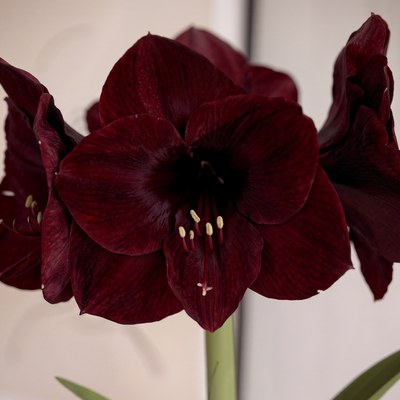
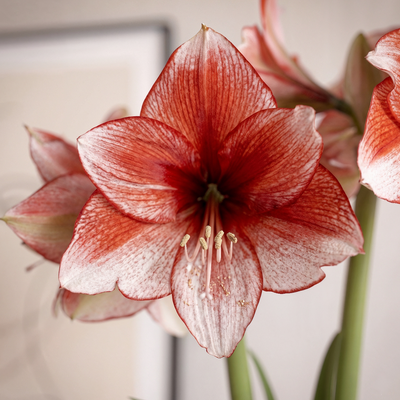
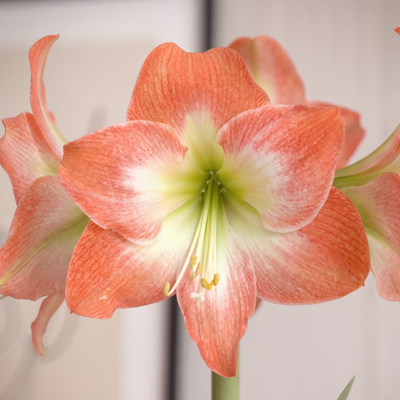
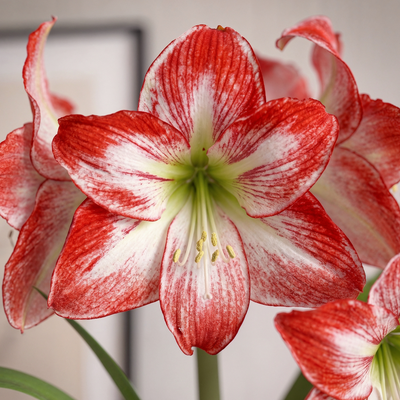
Bulbs First or Flower Stalk First? How Amaryllis Starts Growing
Plant several identical amaryllis bulbs on the same day, and you may be surprised by how differently they develop. One bulb may remain motionless for weeks, another may suddenly produce a cluster of leaves, while a third quickly sends up a thick flower stalk. Such unpredictability can make gardeners wonder whether something is wrong or whether a bulb was damaged before delivery.
However, the natural amaryllis growth sequence has several normal variations. Understanding how roots, leaves, and flower stalks develop will help you recognize healthy growth, identify potential problems, and give your plant the right care as it awakens.
The Three Sprouting Scenarios: What Is Normal?
An amaryllis bulb is a living storage organ containing nutrients and the growing points needed to produce leaves and flowers. Its development after planting depends on the bulb's previous dormancy period, internal hormonal balance, temperature, and variety. As a result, not every bulb follows exactly the same timetable.
The amaryllis sprouting order can vary even among bulbs of the same variety. Some prioritize flowering, others establish roots before producing visible shoots, and some begin growing leaves first. Most of these differences are normal biological variations rather than signs of poor health. The key is to observe the bulb's overall condition and whether its growth progresses steadily.

Scenario 1: The Classic Stalk-First Awakening
The amaryllis stalk before the leaves pattern is common. The classic flowering-first pattern is familiar to anyone who has forced amaryllis bulbs indoors. A thick, rounded shoot emerges from the bulb's neck and gradually develops into a tall flower stalk, sometimes before any green leaves appear. This is the characteristic amaryllis stalk before leaves pattern, often seen in bulbs that have developed a mature flower bud and completed an appropriate period of dormancy.
During dormant bulb awakening, stable warmth and a well-draining potting mix help the amaryllis resume root activity without exposing the basal plate to excessive moisture. The bulb relies on stored carbohydrates and nutrients to support the flower stalk and blossoms. Because these resources are already available, flowering can begin before the plant has produced much new foliage for photosynthesis. The result is a striking display of trumpet-shaped flowers rising above the bulb, with little or no greenery visible at first.
This pattern is often considered ideal for indoor flowering, but it does not necessarily mean that the bulb is healthier than one producing leaves first. Some varieties naturally flower before their foliage develops, while others produce both at nearly the same time. Look for a firm, steadily lengthening stalk and healthy flower buds rather than judging the bulb by the exact order of growth.
During this stage, place the pot in bright, indirect light and maintain a comfortably warm environment. Water carefully, allowing excess moisture to drain from the container. A growing flower stalk does not mean the bulb needs constant watering, particularly before its leaves have emerged. Successful dormant bulb awakening depends on the bulb's stored energy, previous growing conditions, and appropriate care, so patience is essential when visible shoots take longer to appear.
Scenario 2: Roots First and the "Lazy" Bulb
Sometimes, nothing appears above the soil for several weeks after planting. This is when understanding the amaryllis roots first pattern becomes especially useful. Beneath the surface, the basal plate may be producing new roots that absorb moisture and nutrients, anchor the bulb, and prepare it to support future growth.
The amaryllis growth sequence can therefore begin underground. After storage, a bulb may need time to rehydrate its tissues and establish functional roots before producing a visible flower stalk or leaf. The length of this stage depends on the bulb's condition, its previous storage environment, and the temperature and moisture levels around its roots.
Although the bulb may look inactive, avoid repeatedly digging it up to check for progress. Newly developing roots are delicate, and disturbing them can delay establishment. Instead, keep the pot in a warm location, provide suitable light, and make sure the potting mix drains freely.
If your bulb seems reluctant to awaken, read ”How to “Wake Up” Your Amaryllis After Dormancy” for guidance on suitable growing conditions. A delay in visible growth is not automatically a cause for concern. If the bulb remains firm and has no unpleasant odor, give it time while avoiding excessive watering.
Scenario 3: Leaves First — When Foliage Takes the Lead
Another common pattern occurs when green leaves emerge before the flower stalk. This can happen when the bulb's previous dormancy conditions were unsuitable, when temperatures encourage vegetative growth, or simply because of the variety's natural development pattern. In this case, the amaryllis sprouting order begins with foliage rather than an obvious flower bud.
Leaves are essential for replenishing the bulb's energy reserves. Once they expand, they capture light and produce carbohydrates that support continued growth and future flowering. Early foliage should therefore not automatically be interpreted as a failed flowering attempt.
In many cases, the flower stalk appears later, emerging between the already developed leaves. The timing varies, so it is better to monitor the plant than assume it will not flower because the leaves appeared first. The amaryllis growth sequence depends on the bulb's maturity, stored resources, growing conditions, and whether a viable flower bud has formed.
Provide bright, indirect light and rotate the pot occasionally if the leaves lean strongly toward a window. Water when the potting mix begins to dry appropriately, rather than keeping it constantly wet. Never cut off healthy leaves in an attempt to force a flower stalk. Removing them reduces the plant's ability to replenish its reserves and may weaken its next growth cycle.
When to Worry: Diagnosing Real Growth Problems
Although different sprouting patterns are usually harmless, prolonged inactivity combined with physical signs of deterioration deserves attention. The goal is to distinguish a slow but healthy start from damage to the roots, basal plate, or growing points.
Consider the entire plant rather than judging it solely by the absence of a flower stalk. A firm bulb, healthy roots, and steadily developing leaves are reassuring signs. A soft neck, spreading dark patches, foul odor, or persistently wet soil may indicate a more serious problem.
The Blind Bulb Syndrome: Why Stalks Sometimes Never Emerge
A blind amaryllis bulb is one that produces leaves but fails to develop a flower stalk during a particular growing cycle. The bulb may remain alive and vigorous, yet flowering does not occur. One possible explanation is that the flower bud did not develop adequately during the previous growing season because the plant received insufficient light or nutrition. Damage to the developing bud during storage may also prevent flowering.
If a bulb produces several healthy leaves but no stalk, do not immediately assume it is diseased. Some bulbs need time to rebuild their energy reserves before flowering again. Continue caring for the foliage, provide bright light, and use a balanced fertilizer according to its label during active growth.
A blind amaryllis bulb may continue producing healthy leaves without flowering during the current season, especially if its flower bud failed to develop or was damaged during storage. Storage conditions can also influence flower development. For more information, read the article ”The September Ethylene Danger: Why Bulbs and Apple Harvest Don't Mix”, which explains why storing bulbs near ripening fruit can be risky.
A healthy bulb may flower in a later season if it receives adequate light, water, nutrients, and appropriate seasonal care. Avoid attempting to force flowering by cutting foliage, withholding water, or exposing the plant to sudden temperature changes. These interventions can weaken the bulb instead of correcting the underlying issue.
The Danger of Overwatering Slow Starters
One of the most common mistakes is watering more frequently because a bulb has not produced visible growth. However, before leaves and flower stalks emerge, the plant may use relatively little water. Excess moisture can remain in the potting mix for too long, depriving roots of oxygen and increasing the risk of rot.
Even during the amaryllis roots first stage, roots need both moisture and air. Water carefully and allow excess water to drain completely. Never leave the pot standing in a saucer filled with water, and always use a container with drainage holes.
If the bulb is slow to start, check the moisture level before watering again. A cool, saturated pot is a reason to pause rather than add more water. If the bulb becomes soft, develops dark, mushy tissue, or smells unpleasant, inspect it carefully and remove it from persistently wet conditions. Severely damaged tissue may need to be removed with a clean tool, while a bulb with extensive basal rot may not recover.
For a detailed watering routine, consult ”How to Water Amaryllis Correctly: Avoiding Overwatering and Rot”. Consistent moisture management is especially important while the bulb is establishing itself.
Conclusion: Trusting the Natural Rhythm of Your Bulb
The variety of patterns in the amaryllis growth sequence demonstrates how flexibly this plant responds to its internal reserves and growing environment. Whether your bulb begins with vigorous roots, lush leaves, or a prominent flower stalk, the order of development alone rarely indicates a problem. Focus on the bulb's firmness, the health of its roots and foliage, and the consistency of its growing conditions instead of expecting every plant to follow the same schedule.
Resist the temptation to overwater a seemingly lazy bulb. Provide stable warmth, bright indirect light, and a well-draining potting mix, and give the plant time to develop at its own pace. With patience and appropriate care, your amaryllis has the best chance of growing healthily and revealing its flowering potential. Explore all amaryllis bulbs, presented in our online store,and discover more lovely varieties for your indoor growing space!

FAQ: Amaryllis Sprouting Quirks
What should I do if the leaves grow long and start falling under their own weight?
Move the plant to a brighter location with plenty of indirect sunlight to encourage stronger, more compact growth. Rotate the pot periodically so the leaves do not lean excessively in one direction. If the foliage is already long, loosely support it with a soft, wide plant tie. Avoid tying it tightly or cutting healthy leaves, as the plant needs them to replenish its bulb.
How many weeks can a bulb remain inactive after planting?
A delay of two to five weeks before visible growth can be normal, particularly if the bulb was stored in cool, dry conditions. Root development may begin before any shoot appears above the soil. Keep the pot warm, ensure good drainage, and avoid repeatedly digging up the bulb. If it remains inactive considerably longer, check its firmness and review its growing conditions.
Can I cut off early leaves to force the bulb to produce a flower stalk?
No. Removing healthy leaves will not reliably stimulate flowering and can deprive the bulb of the energy it needs for future growth. Leaves produce carbohydrates through photosynthesis, helping replenish the reserves used for flowering. Allow them to grow naturally, provide adequate light, and maintain balanced watering. If the bulb does not flower this season, good foliage care can help prepare it for a future bloom.