Companion Herbs for Bulbs
Mixed plantings are becoming increasingly popular among gardeners who want healthier plants with fewer chemical treatments. One of the most interesting trends is using companion herbs for amaryllis to create a decorative yet functional growing environment. Aromatic herbs such as mint, lavender, and rosemary not only add texture and fragrance to containers but also help repel common pests naturally through their essential oils.
The idea behind companion herbs for amaryllis is simple: combine ornamental beauty with ecological balance. Many herbs release strong scents that confuse insects and discourage aphids, mites, and fungus gnats from settling near your flowers. This form of natural pest management is especially useful for indoor terraces, balconies, and conservatories where chemical spraying may be undesirable.
As explained in our article Amaryllis Companion Plants for Indoor Arrangements, thoughtful combinations can improve both aesthetics and plant health when designed correctly. By pairing herbs with flowering bulbs, gardeners can create miniature ecosystems that support healthy bulbs, improve air circulation, and enhance the visual drama of every spectacular bloom. When managed properly, these arrangements also encourage stronger roots and more vigorous growth throughout the season.
Aromatic Protectors: Lavender and Mint as Pest Repellents
Creating successful companion herbs for amaryllis combinations begins with understanding which herbs provide real protective benefits. Not every aromatic plant works well beside bulbs, but lavender, mint, and rosemary are among the most effective natural allies.
Lavender: The Scented Guard Against Pests
Among all companion herbs for amaryllis, lavender remains one of the most elegant and practical choices. Its intense aroma naturally discourages aphids, whiteflies, and even certain mites that may damage leaves or weaken flowering stems. Many gardeners who experiment with planting lavender with bulbs notice fewer insect problems during warm spring and summer months.
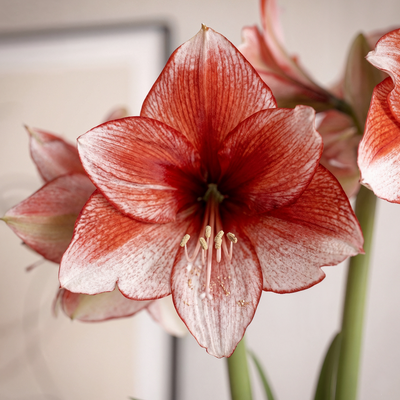
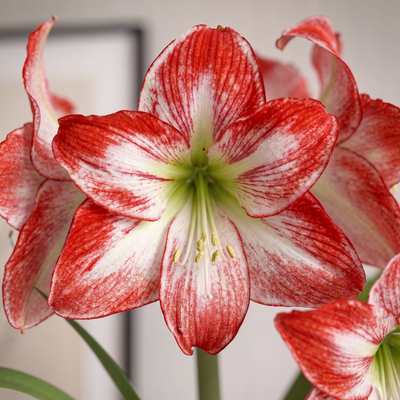
Lavender also creates a stunning visual contrast beside amaryllis. The silvery-gray foliage highlights the deep reds, whites, and striped petals of flowering varieties, making every spectacular bloom appear even more dramatic. This pairing works especially well on sunny terraces or outdoor patios where Mediterranean-style compositions thrive.
Because both plants appreciate bright conditions, planting lavender with bulbs can be surprisingly practical. However, as discussed in the article Lighting for Amaryllis: How to Find the Perfect Spot at Home, light intensity outdoors is much stronger than indoors. Position containers where amaryllis receives strong but slightly filtered afternoon light while lavender continues enjoying maximum sun exposure.
Another benefit of lavender is airflow improvement. Its narrow stems and upright habit reduce overcrowding around the bulb neck, which lowers humidity accumulation and decreases the risk of fungal infections. This is especially important when maintaining healthy bulbs during humid weather.

Mint and Rosemary: Natural Barriers for Your Garden
Using mint as companion plant is another effective strategy for natural pest management. Mint produces strong aromatic oils that confuse insects and mask the scent of nearby flowering plants. Many gardeners rely on mint as part of their natural pest control for amaryllis, particularly in outdoor containers where pests arrive more frequently.
However, mint comes with one major warning: it spreads aggressively. Without restrictions, it may quickly dominate the pot and compete with the bulb for moisture and nutrients. When designing herb and bulb arrangements, it is safer to grow mint inside a separate nursery insert or divider placed within the larger container.
Rosemary offers similar protective benefits while being easier to control. Its woody stems and compact growth habit pair beautifully with tall flowering amaryllis stalks. Rosemary also tolerates slightly drier conditions, helping reduce excessive moisture around the bulb area.
Successful companion herbs for amaryllis require balance. Herbs should support the display without overwhelming the main plant. Excessively dense companions can restrict airflow and create humidity pockets around the leaves, increasing disease risk instead of reducing it.
When properly arranged, companion herbs for amaryllis become more than decorative additions. They function as living barriers that improve plant resilience while emphasizing the elegance of every spectacular bloom. At the same time, their fragrance transforms terraces and balconies into immersive sensory spaces filled with texture and color.
Compatibility Rules: Soil, Water, and Space
While companion herbs for amaryllis offer many benefits, successful combinations require careful management of water, soil, and root space. Bulbs and herbs do not always share identical growing preferences, so understanding their compatibility is essential.
Shared Resources: Do They Like the Same Conditions?
One of the biggest challenges in companion herbs for amaryllis arrangements is balancing moisture levels. Lavender prefers relatively dry soil, while actively growing amaryllis needs more consistent hydration during leaf development and flowering. Overwatering can easily lead to bulb rot if drainage is poor.
As explained in “How to Water Amaryllis Correctly: Avoiding Overwatering and Rot”, excess moisture around the bulb neck is one of the primary causes of fungal problems. This means gardeners must adapt watering routines carefully when herbs share the same container.
The best strategy is targeted watering. Instead of soaking the entire pot evenly, apply water closer to the amaryllis root zone while allowing the herb section to remain slightly drier. Using coarse substrates with perlite or bark chips also helps improve airflow around the roots.
Another important factor is fertilizer balance. Herbs grown for aroma typically require less feeding than flowering bulbs. Excess nitrogen may stimulate lush herb growth but weaken flowering performance and even increase susceptibility to fungal infections. Maintaining moderate nutrition encourages vigorous growth without compromising bulb health.
Air circulation also plays a major role in successful companion herbs for amaryllis systems. Dense foliage traps humidity around leaves and stems, especially indoors. Spacing plants correctly helps maintain stronger foliage and healthier flowering stalks throughout the growing season.
Choosing the Right Pot for Mixed Plantings
Container choice is critical for long-term success with herb and bulb arrangements. Traditional narrow amaryllis pots are designed specifically to support bulb flowering, but they rarely provide enough space for companion herbs.
Instead, choose wider containers with excellent drainage holes. Terracotta pots are particularly useful because they allow moisture to evaporate more efficiently than plastic. This helps prevent excess humidity while supporting healthy bulbs and stable root development.
According to ”The Ideal Pot for Amaryllis: Size, Material, and Drainage Guide”, proper drainage becomes even more important in mixed arrangements because multiple root systems share the same environment. Poor airflow inside the container can quickly lead to root stress and fungal diseases.
Layering also improves success rates. A drainage layer of expanded clay or coarse gravel beneath the soil mix reduces standing water and stabilizes moisture fluctuations. This is especially important when growing mint nearby, since it tends to consume water aggressively.
Successful companion herbs for amaryllis rely on thoughtful spacing. Avoid overcrowding by allowing enough distance between the bulb neck and surrounding herbs. The bulb should remain partially exposed above the soil line to prevent rot and encourage healthy development.
Well-designed herb and bulb arrangements become living decorative displays that evolve throughout the season. Lavender provides texture, mint supplies fragrance, and amaryllis delivers dramatic flowers with intense color contrast. Together, they create a miniature ecosystem that combines beauty with practical pest protection.

Conclusion: Creating a Mini-Ecosystem at Home
Using companion herbs for amaryllis is a smart and beautiful way to combine decorative gardening with natural plant protection. Aromatic herbs reduce pest pressure, improve visual contrast, and transform ordinary containers into living design features filled with fragrance and texture.
With proper spacing, careful watering, and balanced light exposure, these mixed arrangements support healthy bulbs and encourage stronger flowering performance throughout the growing season. Lavender, rosemary, and mint can all contribute to more resilient plants when used thoughtfully.
Most importantly, companion planting creates a richer gardening experience. Instead of growing isolated flowers, you build a miniature ecosystem where every plant supports the overall display. The result is healthier foliage, more vigorous growth, and an unforgettable spectacular bloom season after season.
For even more inspiration and planting ideas, explore all amaryllis bulbs, presented in our online store, and discover varieties perfectly suited for creative mixed containers and aromatic terrace gardens!
FAQ: Everything About Growing Herbs with Amaryllis
Will herbs steal nutrients from amaryllis bulbs?
Not if feeding is balanced correctly. In healthy companion herbs for amaryllis arrangements, both plants can coexist successfully with regular fertilization and enough root space. Avoid excessive nitrogen, however, because overly lush herb growth may increase humidity and contribute to fungal issues such as Red Blotch in May Humidity.
Can I eat herbs grown in the same pot as amaryllis?
It is better not to. Many bulbs receive fungicide treatments before planting, and traces may remain in the shared soil. For this reason, herbs used in natural pest control for amaryllis are best treated as ornamental companions rather than culinary ingredients.
What other plants work well as companions?
Thyme and ornamental alyssum are excellent alternatives. Both provide attractive texture and help support beneficial insect activity while fitting naturally into decorative herb and bulb arrangements.
Can herbs prevent red blotch disease?
Not directly. While amaryllis pest repellent plants help discourage insects, they cannot cure fungal infections like Stagonospora. If symptoms appear, follow the treatment methods discussed in Red Blotch in May Humidity to protect your collection.🎄 All amaryllis →